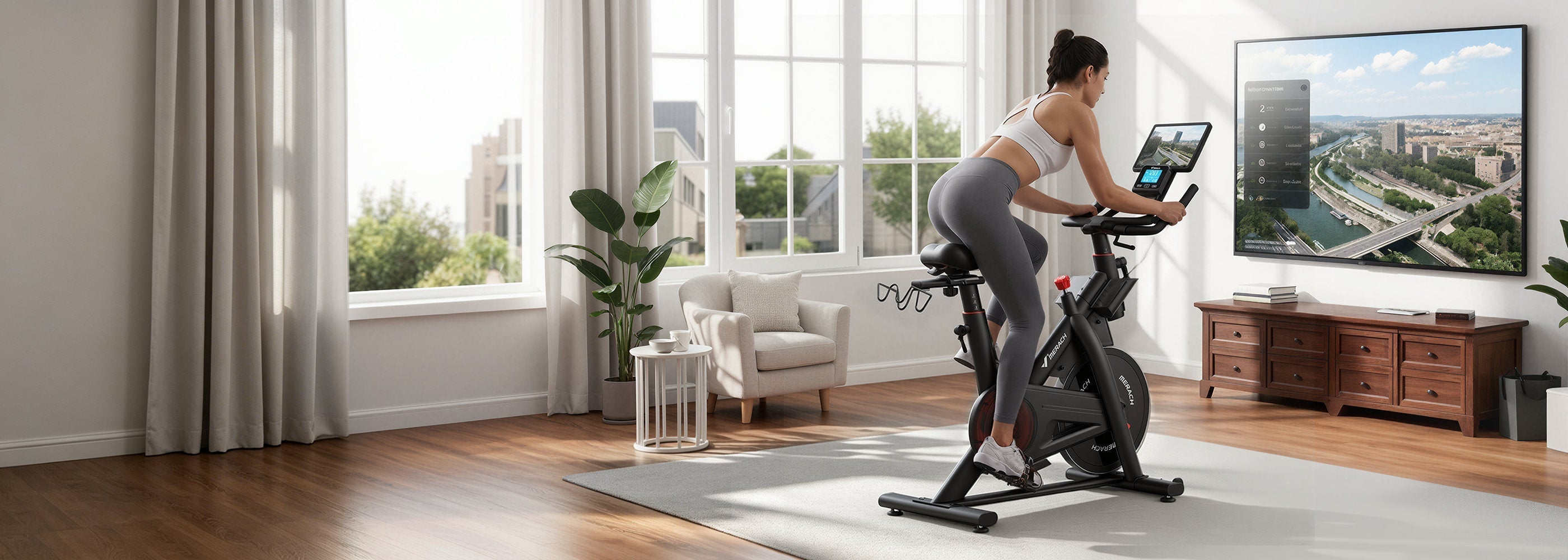



More people across the UK are choosing exercise bikes as a convenient way to stay active at home. With busy working lives, rising gym membership fees and the growing popularity of online fitness classes, home cardio equipment has become a practical long-term investment rather than a short-term trend.
With so many exercise bikes available, however, finding the right model can be challenging. While price is often the first thing shoppers compare, the features a bike offers will have a much greater impact on comfort, performance and long-term satisfaction.
The right combination of resistance, adjustability and smart features can make the difference between a bike that gets used regularly and one that ends up gathering dust.
Why Features Matter When Choosing an Exercise Bike

When comparing exercise bikes for sale, it's easy to be drawn to promotional offers or sleek designs. However, the features built into a bike will ultimately determine how comfortable, effective and enjoyable it is to use over time.
Value for Money Over the Long Term
A cheaper bike may save money upfront, but limited adjustability or a basic resistance system can make it harder to progress as your fitness improves. Investing in a well-built bike with quality components often provides better value over the years.
Choosing a Bike That Matches Your Goals
Someone looking for occasional low-impact exercise will have different requirements from someone training several times a week. Before buying, it's worth considering how often you plan to ride and whether features such as multiple resistance levels, performance tracking and app connectivity will support your goals.
Avoiding Costly Mistakes
Exercise bikes can take up valuable space in the home. If a bike feels uncomfortable, unstable or excessively noisy, it's less likely to be used consistently. Paying attention to key features before purchasing can help you avoid disappointment later on.
Adjustable Resistance Systems: Magnetic or Friction?
The type of resistance system is one of the biggest differences between exercise bike models and can have a noticeable impact on your riding experience.
Why Magnetic Resistance Is Often Preferred
Magnetic resistance creates tension using magnets rather than direct contact with the flywheel. This results in smoother resistance changes, quieter operation and less wear over time.
For many households, particularly flats and shared homes, a quieter bike can make exercising at any time of day much easier.
The Importance of Resistance Levels
As your fitness improves, you'll want the ability to increase workout intensity gradually. A bike with multiple resistance levels gives you greater flexibility, whether you're focusing on endurance training, interval sessions or calorie-burning workouts.
Which Is Better for Home Use?
For most home users, magnetic resistance is the preferred option. It requires less maintenance, produces less noise and generally delivers a more refined riding experience. Friction resistance can still provide an effective workout but may require more upkeep over time.
Display Features and Training Feedback
A good display can make workouts more engaging and help you stay focused on your progress.
Built-in Touchscreens or Tablet Holders?
Some exercise bikes feature integrated displays that provide workout metrics, training programmes and entertainment options. Others include a tablet holder, allowing you to use your preferred fitness apps, streaming services or virtual cycling platforms.
Neither option is necessarily better—it simply depends on how you prefer to train.
Key Metrics to Monitor
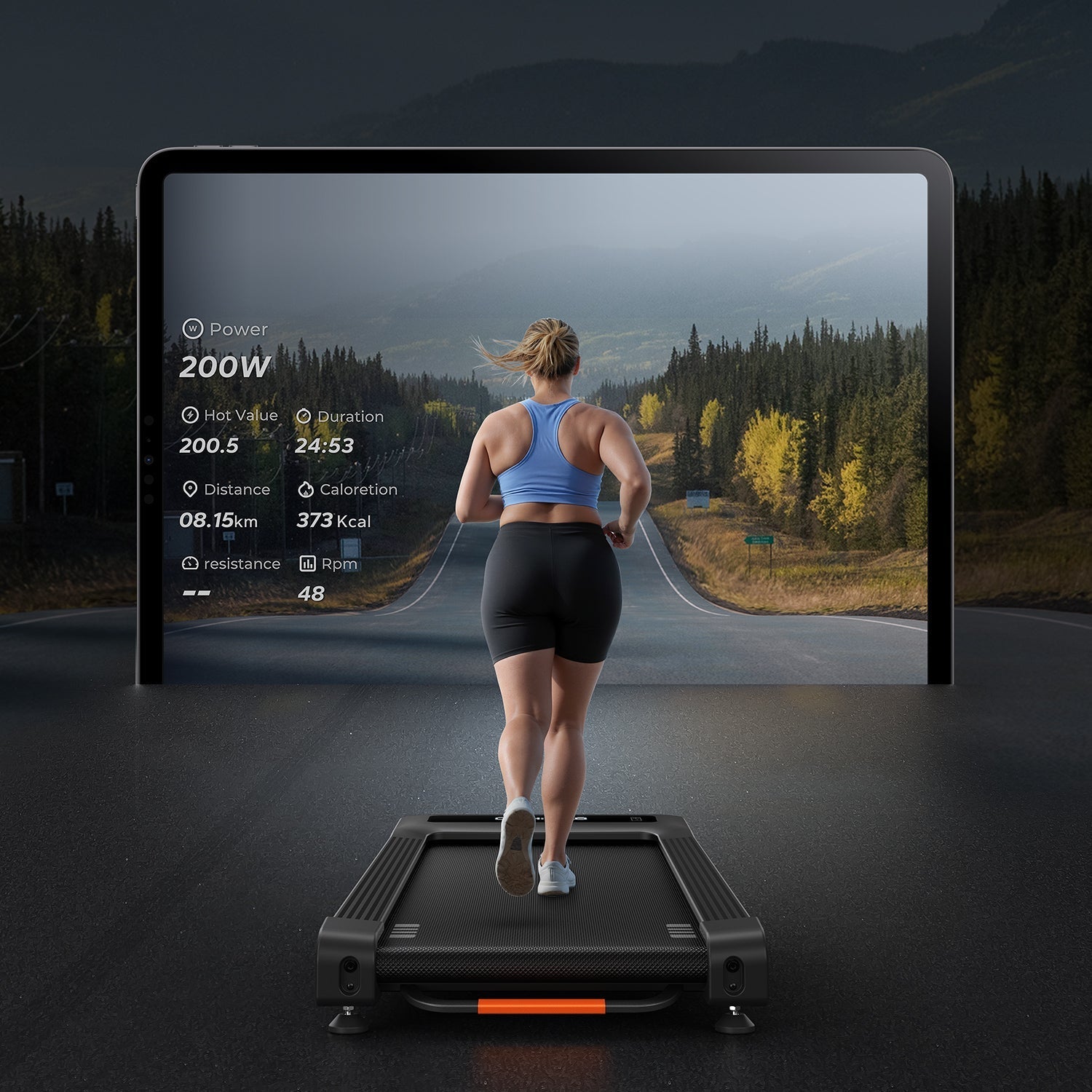
A quality display should provide easy access to essential workout data, including:
- Cadence (RPM)
- Distance covered
- Workout duration
- Estimated calories burned
- Heart rate data (where supported)
Having instant access to this information can help you maintain the right training intensity and track improvements over time.
Interactive Training Experiences
Many riders find that guided classes and virtual routes make indoor cycling more enjoyable. Bikes that support interactive fitness platforms can help maintain motivation and make workouts feel less repetitive.
Smart Connectivity and Fitness Apps
Connected fitness has become a standard feature on many modern exercise bikes.
Bluetooth Connectivity
Bluetooth allows your bike to communicate with smartphones, tablets and fitness trackers, making it easier to record workouts and analyse performance.
Compatibility with Fitness Platforms
Many riders already use fitness apps or wearable devices. Choosing a bike that integrates with your preferred platforms can create a more seamless training experience and keep all your workout data in one place.
Staying Motivated Through Progress Tracking
One of the biggest advantages of connected fitness is accountability. Tracking your performance over weeks and months can help you stay motivated and maintain a consistent routine.
Comfort and Adjustability
Comfort is often overlooked during the buying process, but it plays a huge role in whether you'll continue using your bike regularly.
Adjustable Saddle Position
A properly adjusted saddle supports better posture and more efficient pedalling. Look for bikes that offer both height and fore-and-aft adjustment to accommodate different rider sizes.
Handlebar Adjustability
Handlebars should allow you to ride comfortably without placing unnecessary strain on your back, shoulders or wrists. Adjustable handlebars can make a significant difference, particularly during longer sessions.
Pedals and Foot Security
Well-designed pedals with adjustable straps help keep your feet secure and improve power transfer throughout each pedal stroke, particularly during higher-intensity workouts.
Stability, Build Quality and Noise Levels
A sturdy bike not only feels better to ride but can also improve safety and confidence during workouts.
Flywheel Weight and Ride Quality
In general, heavier flywheels provide a smoother and more consistent pedalling experience. Combined with a solid frame, they can help reduce movement and improve overall stability.
Why Quiet Operation Matters
One of the biggest advantages of exercising at home is flexibility. A quieter bike allows you to train early in the morning, during the evening or while other family members are working, relaxing or sleeping.
Weight Capacity and Durability
Always check the maximum user weight and overall build quality before purchasing. A robust frame is likely to provide greater longevity and a more stable riding experience.
Conclusion
Choosing an exercise bike isn't simply about finding the lowest price. The best model for you will combine comfort, performance and practical features that fit your lifestyle and training goals.
By focusing on essentials such as magnetic resistance, adjustability, stability and smart connectivity, you'll be more likely to invest in a bike that remains enjoyable and effective for years to come.
Whether you're looking to improve fitness, lose weight or stay active from the comfort of home, taking the time to compare key features can help you make a more informed decision.